
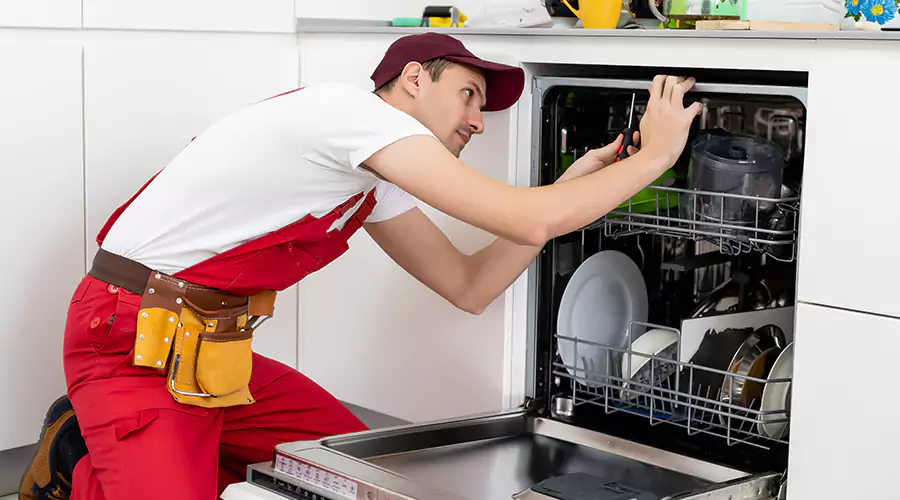
A dishwasher should clean dishes, drain water, plus finish cycles without leaving a mess behind. When dishes come out dirty or water stays inside the tub, the appliance needs attention before the problem gets worse.
Dishwasher repair helps homeowners fix cleaning, drainage, leaking, drying, pump, spray arm, filter, plus water inlet issues. Timely service can protect cabinets, flooring, plumbing connections, plus daily kitchen routines.
Why Dishwasher Problems Need Fast Attention?
A dishwasher not cleaning issue can leave plates, glasses, utensils, plus cookware covered with food spots or cloudy residue. This problem may come from clogged filters, weak spray arms, poor water flow, or detergent buildup.
Poor cleaning also wastes time because homeowners must rewash dishes by hand. A quick inspection can reveal whether the issue is simple maintenance or a deeper mechanical failure.
When Water Will Not Drain?
A dishwasher not draining problem can leave dirty water at the bottom of the tub. Common causes include a clogged filter, blocked drain hose, bad pump, or garbage disposal connection issue.
Standing water can create odors plus reduce cleaning performance. Homeowners should avoid running repeated cycles until the drainage issue is checked.
Leaks Around the Dishwasher
A dishwasher leaking water problem can damage floors, cabinets, baseboards, plus nearby walls. Leaking may come from a worn door gasket, loose hose, cracked pump, faulty inlet valve, or poor leveling.
Water near electrical parts can create a safety concern. Turn off the appliance if the leak is active, then schedule service before using it again.
Standing Water Inside the Tub
A dishwasher standing water issue usually points to a drainage blockage or pump failure. The water may look cloudy, smell unpleasant, or contain food particles after the cycle ends.
Drain problems can become worse when food debris keeps collecting inside the system. Cleaning the filter may help, but repeat standing water needs professional diagnosis.
Bad Smells After a Cycle
A dishwasher smells bad problem often comes from trapped food, grease, standing water, clogged filters, or moisture inside the door seal. Odors may return quickly if the source remains hidden.
Regular cleaning can help reduce smells, but strong odors may signal drainage trouble. A technician can check areas that are difficult to reach during normal cleaning.
Dishes Still Look Dirty
A dishwasher leaves dishes dirty when water cannot spray properly or detergent does not dissolve as expected. Blocked spray arms, hard water buildup, low water temperature, or poor loading habits may affect results.
Dirty dishes after a full cycle should not become normal. Service may be needed if cleaning does not improve after basic filter cleaning plus proper loading.
Drying Problems
A dishwasher not drying issue can leave cups, plates, plus silverware wet after the cycle ends. The cause may involve rinse aid settings, heating element trouble, vent problems, or sensor failure.
Wet dishes can also happen when plastic items collect moisture. If every load stays wet, a technician should inspect the drying system.
Spray Arm Failure
A dishwasher spray arm problem can stop water from reaching dishes evenly. Spray arms may clog with food particles, mineral buildup, or small debris.
Weak spray can leave the top rack or bottom rack dirty. Cleaning spray holes may help, but cracked or stuck arms may need replacement.
Clogged Filter Problems
A dishwasher filter clogged issue can reduce water flow plus trap food inside the appliance. A dirty filter often causes odors, poor cleaning, cloudy water, plus slow drainage.
Homeowners should clean removable filters according to the owner’s manual. If the filter clogs again quickly, another drainage or pump issue may be causing the problem.
Drain Hose Blockage
A dishwasher drain hose clogged problem can prevent dirty water from leaving the unit. The hose may collect grease, food debris, mineral deposits, or blockage near the sink connection.
A blocked hose can also push water back into the dishwasher. Proper inspection can confirm whether the hose needs cleaning, adjustment, or replacement.
Pump Problems
A dishwasher pump problem can affect drainage, water circulation, or both. The pump may fail from debris, wear, electrical faults, or internal damage.
Pump failure often causes humming, standing water, poor spray pressure, or cycle interruption. A technician can test the pump before replacing parts.
Door Seal Leaks
A dishwasher door seal leak can allow water to escape during the wash cycle. The seal may crack, loosen, collect debris, or wear out over time.
A damaged seal should be fixed before water reaches cabinets or flooring. Cleaning the gasket may help if buildup prevents a tight seal.
Water Inlet Problems
A dishwasher water inlet problem can stop enough water from entering the appliance. Low water fill may cause poor cleaning, weak spray pressure, or cycle errors.
The inlet valve, float switch, supply line, or control system may need testing. Proper water flow is essential for cleaning plus rinsing performance.
Troubleshooting Common Failures
| Symptom | Diagnostic Subsystem Inspection | Identified Point of Failure |
|---|---|---|
| Leaks Around the Dishwasher | Perimeter Sealing & Fluid Containment | Degraded Door Gasket or Pump Shaft Seal |
| Standing Water Inside the Tub | Hydraulic Discharge Architecture | Obstructed Drain Impeller or Check Valve Failure |
| Bad Smells After a Cycle | Sanitation & Bacterial Control Loop | Biofilm Accumulation on Heat-Exchanger Surfaces |
| Dishes Still Look Dirty | High-Pressure Spray Dynamics | Calcified Spray Arm Nozzle Obstructions |
| Drying Problems | Thermal Convection & Rinse-Aid Logic | Faulty Heating Element or Rinse-Aid Actuator |
| Clogged Filter Problems | Particulate Filtration & Recovery | Saturated Sediment Screen |
| Pump Problems | Recirculation & Evacuation Motor | Debris-Induced Seizure of the Pump Motor |
| Cycle Problems | Command & Logic Control Center | Firmware-Triggered Error State in Control Board |
Cycle Problems
A dishwasher cycle not finishing issue may happen when the appliance stops before washing, rinsing, drying, or draining. Error codes, control board faults, sensor problems, or door latch issues may be involved.
A cycle that ends early can leave dishes dirty or water inside the tub. Professional testing can identify which step is failing.
Noisy Dishwasher Operation
A dishwasher making noise can point to a blocked pump, loose spray arm, worn motor, broken bearing, or debris inside the system. Grinding, buzzing, rattling, or humming sounds should not be ignored.
Some sounds are normal during washing, but sudden changes matter. A technician can inspect the appliance before a small issue becomes a major failure.
Basic Troubleshooting Before Service
Safe dishwasher troubleshooting can help rule out simple causes. Check the following options carefully:
- Main and fine particle filters cleanliness
- Spray arm holes and rotation path
- Detergent amount and type used
- Rinse aid level status
- Door latch and switch alignment
- Drain area and garbage disposal connection
- Dish loading placement and spacing
Avoid opening panels or touching electrical parts without proper training. If the dishwasher still fails, professional service is the safer next step.
Why Professional Service Matters?
Trusted dishwasher repair services give homeowners a clear way to fix cleaning, draining, leaking, plus drying problems. A service visit should include inspection, diagnosis, repair options, pricing details, plus final testing.
Skilled professional dishwasher repair helps prevent guesswork. A trained expert can test pumps, valves, hoses, seals, sensors, motors, plus controls.
Home Dishwasher Service
Convenient home dishwasher repair allows the technician to inspect the appliance where it is installed. This helps them check plumbing connections, drain routing, cabinet fit, leveling, plus electrical supply.
Quality residential dishwasher repair supports the daily needs of families, renters, homeowners, plus busy kitchens. A working dishwasher saves time while helping keep dishes ready for use.
Role of the Technician
An experienced appliance repair technician can inspect the dishwasher, explain the failure, then recommend the best repair option. This helps homeowners understand whether the issue is minor, moderate, or urgent.
A good technician also tests the appliance after repair. Final testing helps confirm proper cleaning, draining, drying, plus safe operation.
Same Day Help for Dishwasher Problems
Helpful same day dishwasher repair may be needed when water leaks, dishes pile up, or the unit stops during a busy week. Fast service can reduce kitchen disruption plus prevent added water damage.
Same day support is especially useful for active leaks or standing water. Quick diagnosis can help restore normal use sooner.
Emergency Dishwasher Service
Urgent emergency dishwasher repair may be needed when the appliance leaks heavily, floods the kitchen, sparks, smells like burning, or will not shut off properly. Safety concerns should never wait.
Turn off the dishwasher if the situation feels unsafe. If water spreads near outlets or wiring, avoid contact with wet areas until help arrives.
Finding Local Dishwasher Repair
Searching for dishwasher repair near me can help homeowners find nearby service when the appliance stops working. Local support may offer faster scheduling plus better familiarity with common dishwasher issues.
Choose a provider that communicates clearly, explains repair options, plus respects your home. Clear answers help you make a confident repair decision.
Final Thoughts
A dishwasher usually shows warning signs before it fails completely. Dirty dishes, standing water, leaks, odors, poor drying, strange noises, plus unfinished cycles all deserve attention.
Professional repair can restore cleaning performance, protect your kitchen, plus reduce the risk of larger damage. If basic checks do not solve the issue, schedule a qualified technician before the problem gets worse.